
Some of them, some of the time, and far less than the word destroy suggests. Heat, water and time each take a toll, but they do not act on every nutrient equally. Vitamin C and the B vitamins dissolve in water, and the biggest losses are usually not destruction at all — they are leaching into cooking water that goes down the sink. Vitamin A, vitamin E and the minerals barely notice. Cooking also works the other way, softening cell walls so that some nutrients become easier to absorb than they were raw. The practical answer is that how you cook matters more than whether you cook, and that a cooked vegetable you eat beats a raw one you leave.
Which vitamins are actually fragile
The useful split is between fat-soluble and water-soluble nutrients. Vitamins A, D, E and K travel in the oily part of a food and tolerate ordinary cooking reasonably well. Vitamin C and the B group dissolve in water, and water is what most vegetables meet in a kitchen. Minerals are a third case altogether: iron, zinc, potassium and magnesium are elements, and no saucepan can break down an element. They can still leave the vegetable and end up in the liquid, which is a different problem with the same solution.
Inside the water-soluble group there is a wide range. Vitamin C is the most delicate thing in the kitchen, bothered by heat, by oxygen and by time, and a long boil in plenty of water can take a serious share of it. Folate is also heat-sensitive. Thiamin takes a knock from prolonged heat. Riboflavin is more troubled by light than by temperature, which is why milk sitting in a clear bottle on a doorstep was a worse idea than it looked. Biotin and most of the rest of the B group are comparatively stable at ordinary cooking temperatures.
Leaching is the bigger loss, not heat
Picture broccoli cut into small florets and boiled hard in a full pan for twelve minutes. Very little of what is lost has been chemically wrecked by the temperature. Most of it is simply somewhere else — in the water, which is then poured away. Three variables drive it: how much water the food sits in, how much cut surface is exposed to that water, and how long the two are in contact.
Once you see it that way the practical moves are obvious. Use as little water as the method allows. Keep the cooking liquid for a gravy, a soup or a sauce rather than tipping it down the sink. Cook vegetables whole or in big pieces and cut them afterwards. Leave skins on where they are edible. Do not soak cut vegetables in water for an hour before cooking. And serve reasonably promptly, because keeping food hot on a hob for an hour costs more vitamin C than the cooking itself did.
What each method actually does
- Boiling. The heaviest losses for water-soluble vitamins, almost entirely through leaching. Worth it for potatoes and pasta, or when you are keeping the liquid.
- Steaming. The food never sits in the water, so leaching is minimal and losses come down to heat and time. One of the better options for green vegetables.
- Microwaving. Unfairly maligned. Short cooking times and a splash of water rather than a panful make it one of the best methods for retention, not one of the worst.
- Roasting and baking. No water to leach into, but longer times and higher temperatures. Good retention of minerals, moderate losses of the most heat-sensitive vitamins.
- Stir-frying. Hot and fast, with a little oil that helps carry the fat-soluble vitamins. Short contact time is doing most of the work here.
- Pressure cooking. Higher temperature but much shorter time, and usually a small volume of water that stays with the dish. Retention is generally good.
- Raw. Keeps the fragile vitamins intact, but leaves some others locked inside cell walls that heat would have opened. Neither approach wins outright.
Cooking can work in your favour too
A raw vegetable is not a bag of loose nutrients. Much of what is in it sits inside plant cells, behind walls that human digestion opens only partly. Heat breaks those walls down, which is why cooked carrots and cooked tomatoes give up their carotenoids — beta-carotene and lycopene — far more readily than raw ones do, and why a little fat alongside them helps further. Cooking also softens fibre, reduces some of the compounds that bind minerals and keep them from being absorbed, and makes a good deal of food safe and pleasant to eat in the first place. What bioavailability actually means covers why the amount in a food and the amount you absorb are two different numbers.
There is also the blunt version of the argument. The nutrient content of a vegetable nobody eats is zero. If roasting is what gets parsnips onto the plate in your house, roast them.
How much of this matters day to day
Percentages read more dramatically than portions. Losing a third of the vitamin C from a large helping of cabbage still leaves more than a small helping of raw salad would have given you, and almost nobody eats at the margin where these differences decide anything. Variety and total amount dominate everything else on this list.
Two things are worth knowing beyond the hob. Frozen vegetables are usually blanched and frozen within hours of harvest, so they often compare well with fresh produce that has spent a week in transit and another in a fridge. And storage matters more than people expect: light, warmth, cut surfaces and long waits all cost something before cooking has even started. What your skin actually needs from your diet takes the same pattern further — the whole diet, not any one item in it.
Where biotin fits into this
Biotin turns up in liver, egg yolk, nuts, seeds, oats and a scattering of vegetables, and where biotin comes from in food sets out the fuller picture. The one genuinely interesting cooking fact about it concerns eggs. Raw egg white contains avidin, a protein that binds biotin tightly enough that it is not absorbed; cooking the white changes that protein’s structure and ends the binding. A cooked egg and a raw one therefore behave differently in this specific respect. That is food chemistry, and we are describing it rather than claiming anything from it.
Which brings us to the wording, because this is where supplement marketing tends to drift. In Great Britain only wording authorised on the nutrition and health claims register may be used, and for biotin there are seven authorised claims. Two are the ones people arrive at a page like this for, and these are the exact permitted wordings:
- Biotin contributes to the maintenance of normal hair
- Biotin contributes to the maintenance of normal skin
The word “normal” is doing real work in both sentences. It cannot be dropped and it cannot be traded up: maintenance of normal hair is authorised, while thicker, stronger or faster-growing hair is not. There is no authorised nails claim in Great Britain, so we make none, however often you see one elsewhere. Nor is there anything on the register about cooking methods, and we quote no claim wording for any other nutrient here, because we only quote wording we have checked against the Great Britain register ourselves. What biotin actually does, and what it isn’t allowed to claim sets out the full position, and the rest of our plain-English explainers sit on the thinning hair topic page.
When it is worth asking a pharmacist or GP
- Before starting anything new if you are pregnant, breastfeeding, taking prescription medicines or under medical care
- If you are cutting out a whole food group and are unsure what that leaves out of your diet
- If you have a diagnosed condition affecting digestion or absorption, where general dietary advice may not apply to you
- For any hair or skin change that is sudden, patchy or accompanied by other symptoms, which is a conversation rather than a shopping decision
Where the Biotin Gummies sit
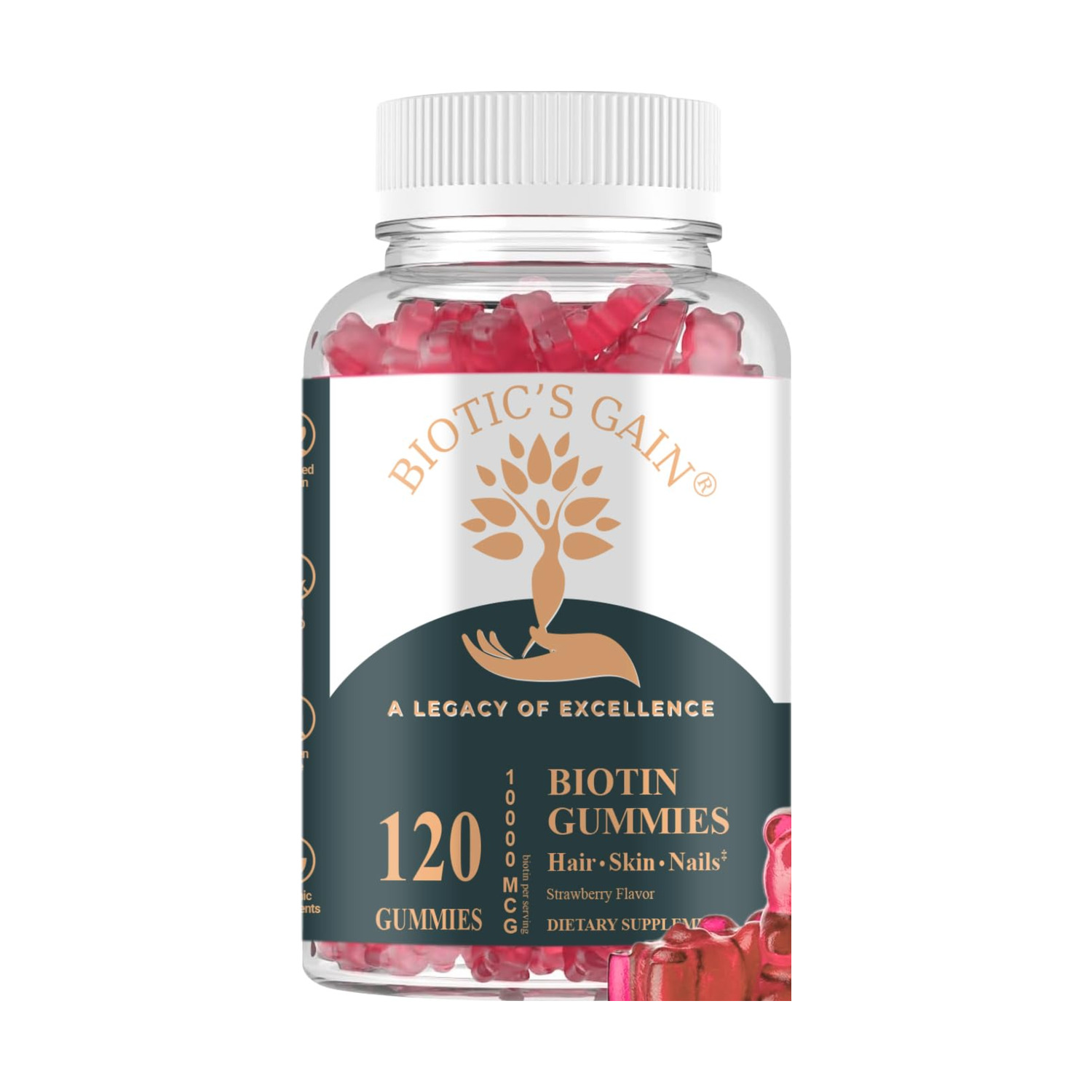
Biotic’s Gain Biotin Gummies are a food supplement, with the amount of biotin in the daily portion stated on the pack. That figure describes what is in the product, in the same way that 25g of protein per serving describes a tub of whey isolate. It is a description rather than a promise, and on a page about cooking it is worth saying plainly that a gummy is not a substitute for vegetables, however they are cooked. Whether it matters if you take a supplement with food is the more useful question once something is already part of a routine.
If the base, the sweetener or an allergen matters to you, the ingredients list on the jar is the authority, and that holds for every brand on the shelf. A pharmacist is the easiest person to ask if you take prescription medicines or are pregnant or breastfeeding. One practical point worth repeating: high biotin intakes are known to interfere with some laboratory assays, so if you are having blood taken, tell whoever runs the test what you take.
Related reading
Biotic’s Gain supplements are food supplements. They are not a substitute for a varied and balanced diet or a healthy lifestyle, and no food supplement can treat, prevent or cure any condition. Do not exceed the recommended daily portion. If you are pregnant, breastfeeding, taking medication or under medical care, speak to a pharmacist or GP first.

Leave a Reply