
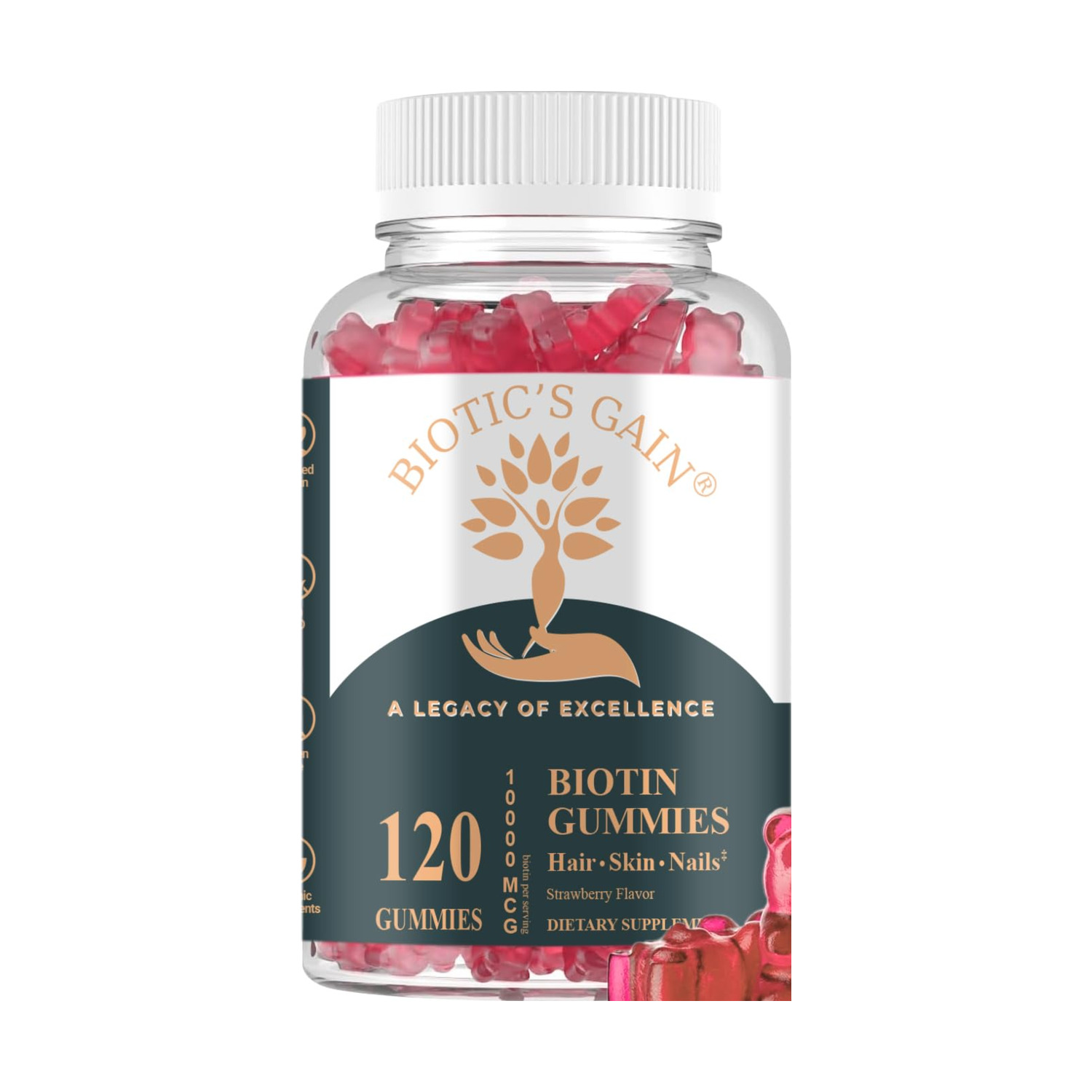
Sometimes, and it depends on the nutrient rather than on the brand. Fat-soluble vitamins — A, D, E and K — are taken up alongside dietary fat, so a meal with some fat in it genuinely helps. Water-soluble ones, which include biotin and the rest of the B group along with vitamin C, do not need fat and are absorbed whether you have eaten or not. Food still earns its place for other reasons: it settles the stomach, it slows the whole process down, and it gives you a fixed point in the day you will actually remember. And where a label tells you to take a product with food, follow that, because the instruction was written for that formulation.
The split that decides most of it
Vitamins divide into two camps according to what they dissolve in, and that single fact answers the question more often than anything else on the label. Vitamins A, D, E and K are fat-soluble. They travel out of the gut by the same route dietary fat does, which means bile and a bit of fat need to be present for the process to work properly. Take them with a slice of toast and butter, or with any meal that has some fat in it, and you have done everything you can usefully do.
The B vitamins — biotin among them — and vitamin C are water-soluble. They dissolve in the watery contents of the gut and cross the gut wall without needing fat anywhere near them. The body also holds much smaller reserves of this group and passes the surplus out in urine, which is why they are taken daily rather than stockpiled. A biotin gummy with a glass of water first thing is absorbed perfectly well.
Minerals are the messy middle: several compete for the same transport routes, which is why mineral labels carry more specific instructions than vitamin ones. Read the carton there rather than generalise.
What food does that has nothing to do with absorption
Most of the reasons to take something with a meal are not absorption at all. They are practical, and they matter more than the biochemistry does for the majority of products on a shelf.
- Comfort. Some people find a capsule on an empty stomach unpleasant. A few mouthfuls of food solves it, and that is reason enough.
- Memory. Whether you take something consistently is the most underrated variable in the whole category. A meal is the most reliable daily alarm most people own.
- Pace. Food slows how quickly the stomach empties, so what you have taken arrives gradually rather than in one go. This is the mechanism behind most “with food” instructions.
- Taste. A flavoured gummy or a shake is pleasant on its own; a plain powder is easier alongside something else. Nobody keeps up a routine they dislike.
Format changes the answer more than mealtimes do
Before anything can be absorbed it has to be in solution, and formats differ enormously in how far along that road they start. A tablet has to disintegrate first, which is a real step and a slow one. A capsule shell opens and releases its contents. A gummy is chewed, so it arrives already broken up. A powder stirred into water or milk is in solution before it reaches you, which is why a scoop of whey isolate or collagen peptides behaves differently from a tablet of the same weight.
None of that makes one format better than another in any way a brand is allowed to claim, and it is worth being clear about why. A format can change how quickly something is available; it does not earn anyone a stronger claim about what the nutrient does. What ‘bioavailability’ actually means goes through that distinction properly, and why doses vary so much between brands covers the other half of the same confusion.
Where biotin sits, and what it is allowed to say
Biotin is water-soluble, so food is not needed for it and taking a gummy with breakfast is a routine choice rather than an absorption one. What is tightly controlled is the wording that may sit beside it. Only claims on the Great Britain nutrition and health claims register may be used, and the two that bear on hair and skin read exactly like this:
- Biotin contributes to the maintenance of normal hair
- Biotin contributes to the maintenance of normal skin
The word “normal” is doing the work in both, and it cannot be dropped or traded up. Maintenance of normal hair is authorised; thicker, faster or improved hair is not. There is also no authorised nails claim in Great Britain at all, so we make none — however often you see one elsewhere. What biotin actually does lists all seven authorised biotin claims in full, and how much biotin you actually need in a day deals with the amounts.
Protein and collagen: the day’s total matters more than the hour
With protein the meal question turns into a different question, because a shake taken with food simply becomes part of that meal. What the evidence supports is a sensible total across the day spread over several meals, rather than a narrow window you have to hit. The authorised claims are attached to the nutrient, not to any brand or any timing, and they read:
- Protein contributes to a growth in muscle mass
- Protein contributes to the maintenance of muscle mass
- Protein contributes to the maintenance of normal bones
Those apply to a chicken breast as much as to a tub of powder, and there is no authorised whey-specific claim — a long list of proposed ones was assessed and rejected. So “take it within thirty minutes or waste it” is marketing, not a claim anyone may make.
Collagen is stricter again. It has no authorised claim of its own, and four proposed collagen claims — including joint function and skin firmness and elasticity — were assessed and turned down. The only authorised claim that even mentions collagen belongs to vitamin C: “Vitamin C contributes to normal collagen formation for the normal function of blood vessels, bones, cartilage, gums, skin and teeth.” That is a vitamin C claim, conditional on the food qualifying as a source of vitamin C, and it is not a back door for a collagen powder. In practice people take collagen peptides in a drink because it is pleasant, not because a meal is required. What actually happens to collagen when you swallow it explains the digestion side.
When to ask a pharmacist rather than guess
A pharmacist is the easiest person to ask and needs no appointment. It is worth doing if you take prescription medicines, if you are pregnant or breastfeeding, if two or three products you take might overlap, or if the timing instructions on two labels appear to contradict each other. Mention what you take before any blood test as well: high biotin intakes are known to interfere with some laboratory assays, so whoever runs the test should know. Speak to a GP about hair loss that comes on suddenly, in patches, or with scalp symptoms.
The rest of our plain-English explainers sit on the thinning hair and collagen topic pages.
Related reading
Biotic’s Gain supplements are food supplements. They are not a substitute for a varied and balanced diet or a healthy lifestyle, and no food supplement can treat, prevent or cure any condition. Do not exceed the recommended daily portion. If you are pregnant, breastfeeding, taking medication or under medical care, speak to a pharmacist or GP first.


Leave a Reply