

Protein, and then a short list of things that make it taste of something and mix without lumps. In a whey isolate the protein source is the overwhelming majority of the tub by weight. The rest is usually a flavouring, a sweetener, a thickener such as xanthan or guar gum, an emulsifier like lecithin so the powder wets instead of floating, and sometimes an anti-caking agent, a pinch of salt or added enzymes. None of those extras is in there for your muscles. They are in there so a scoop of dried dairy protein behaves like a drink rather than a paste, and so the tub still pours freely in month four.
Most of the tub is the protein source
Whey starts as a liquid by-product of cheesemaking. It is filtered to separate the protein from the lactose, fat and minerals, dried into a powder, and that powder is what goes into the tub. A concentrate is filtered less far and carries more of the lactose and fat along with it; an isolate is filtered further, so the protein makes up a higher proportion of what is left.
The protein source is nearly always the first ingredient, and the entries after it account for only a small share of the weight. A flavoured powder gives up a little of that share to the flavour system, which is why an unflavoured version of the same product usually shows a slightly higher protein figure per 100g.
Flavourings, and what the word means
Dried whey on its own tastes faintly of milk powder and cardboard, so almost every tub carries a flavouring. On a British label this is usually listed simply as “flavouring” or “natural flavouring”, and the second of those is a defined legal term rather than a marketing one: the flavouring substances have to come from a plant, animal or microbiological source rather than being built from scratch in a reactor.
Cocoa powder, freeze-dried fruit and vanilla extract turn up as named ingredients in their own right, and they are heavier than a flavouring, so they sit higher in the list. Salt appears in a lot of dessert-style flavours for the same reason a baker uses it: without a little, sweetness reads as flat. In a salted caramel powder it is doing a seasoning job, not an electrolyte one.
Sweeteners and why powders are sweet at all
A whey isolate has very little lactose left, and lactose is not especially sweet to begin with, so the sweetness in a flavoured powder is added. Most brands use a high-intensity sweetener because it delivers sweetness at a few hundredths of a gram per serving and so barely registers in the nutrition panel. Sucralose and steviol glycosides from the stevia leaf are the two you will see most often, sometimes together, because they taste different from one another and a blend rounds off the edges each one has on its own.
Some powders use sugar, and a few use sugar alcohols such as maltitol or erythritol, which add bulk as well as sweetness. Sugar alcohols come with a labelling consequence worth knowing: a product carrying more than ten per cent of them has to warn that excessive consumption may produce laxative effects. An unflavoured, unsweetened powder avoids the whole question and tastes of very little, which is fine if it is going into coffee or a smoothie with a banana in it.
Thickeners, emulsifiers and anti-caking agents
This is the group people recognise least and ask about most. Each one earns its place by solving a physical problem:
- Xanthan or guar gum. A tiny amount thickens the liquid very slightly, which keeps the powder suspended instead of settling into sludge at the bottom of the shaker while you walk to the gym.
- Lecithin, from soya or sunflower. Dried protein is water-repellent, so without it the powder floats in a raft on top and goes lumpy. Lecithin is added during drying so each particle wets properly on contact. This is why instantised powders mix in a glass with a spoon and raw ones need a shaker.
- Silicon dioxide or calcium silicate. An anti-caking agent, present at a fraction of a per cent, which stops the powder absorbing moisture and setting into a brick halfway down the tub.
- Digestive enzymes. Some brands add lactase or a protease blend. Lactase breaks down residual lactose, which is a composition point about the powder rather than anything we are permitted to claim for you.
None of the four is unusual in food — xanthan is in most bottled sauces, lecithin in chocolate, silicon dioxide in dried spice mixes. They are listed because the law requires every ingredient to be listed, not because they are exotic.
What a protein product is allowed to say
Only wording authorised on the Great Britain nutrition and health claims register may be used, and for protein the relevant authorised claims are these, word for word:
- Protein contributes to a growth in muscle mass
- Protein contributes to the maintenance of muscle mass
- Protein contributes to the maintenance of normal bones
Those claims belong to the nutrient, not to any brand or format, so a tin of lentils, a chicken breast and a tub of whey isolate all stand on the same three sentences. They may be used where a food qualifies as a source of protein, meaning at least twelve per cent of its energy comes from protein, with twenty per cent for a high-protein claim. The word “normal” cannot be dropped and cannot be traded up for improved, stronger or faster. There is no authorised whey-specific claim in Great Britain — a long list of proposed ones was rejected — so nothing on this page credits whey with anything the nutrient itself is not permitted to say.
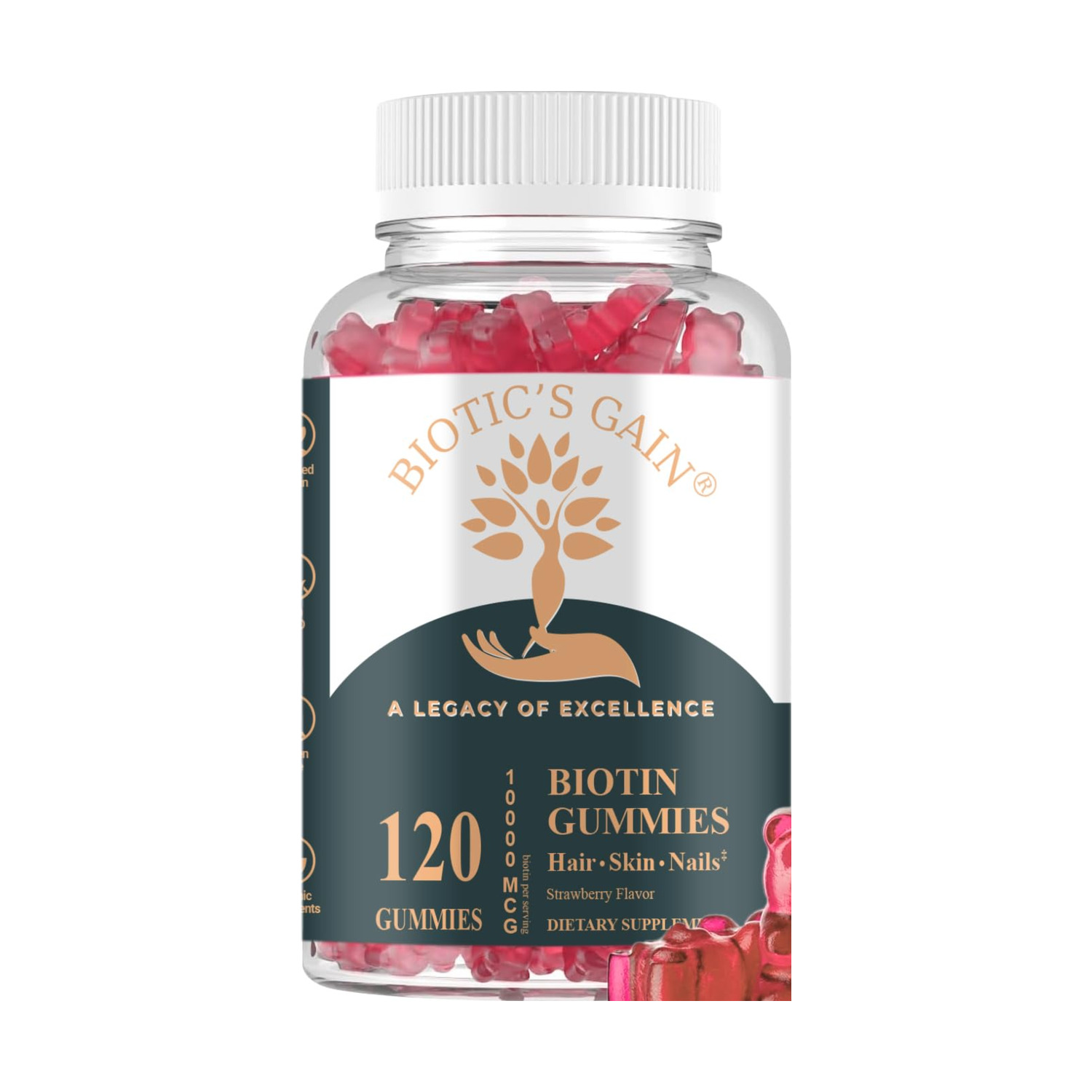
Nothing else in the ingredients list has a claim attached to it at all. We quote no claim for lecithin, xanthan or guar gum, silicon dioxide, sweeteners, salt or added enzymes, because we only quote claim wording we have checked against the Great Britain register ourselves. What biotin gummies are actually made of takes the same walk through a very different product.
Reading the list in order
Ingredients are listed by weight, heaviest first, which makes a tub quicker to judge than it looks:
- Check what the first entry is. Whey protein isolate, concentrate, or a blend — the order tells you which dominates.
- Count the extras. Most flavoured isolates need four or five. A list of twenty is usually additions stacked up rather than more protein.
- Read the serving, not the per-100g column. A scoop is rarely 100g, so the two are not interchangeable. Why supplement doses vary so much between brands covers that trap.
- Look for the allergen line. Milk is the obvious one in whey; soya appears if the lecithin is soya-derived.
The rest of our plain-English explainers sit on the protein topic page, and how plant protein powders compare with whey looks at the same label question from the other side of the shelf.
Where the Whey Protein Isolate sits
Biotic’s Gain Whey Protein Isolate comes in a 2lb tub with 25g of protein and 5.5g of BCAAs per serving, in six flavours. It is filtered further than a concentrate, so there is less fat and lactose along for the ride. Those are descriptions of what is in the tub, in the same way that a weight and a flavour are — not promises about what it will do.
Whey is dairy, so it suits a vegetarian diet but not a vegan one. If a sweetener, an allergen or a particular additive matters to you, the ingredients list on the tub is the authority rather than anything written about the product elsewhere, and that holds for every brand on the shelf. A pharmacist is the easiest person to ask if you take prescription medicines or are pregnant or breastfeeding. And for how much of any of it you need, how much protein do you need in a day starts with food rather than a tub.
Related reading
Biotic’s Gain supplements are food supplements. They are not a substitute for a varied and balanced diet or a healthy lifestyle, and no food supplement can treat, prevent or cure any condition. Do not exceed the recommended daily portion. If you are pregnant, breastfeeding, taking medication or under medical care, speak to a pharmacist or GP first.


Leave a Reply